

Beyond CBD: Emerging Cannabinoids (CBG, CBN & THCV) Explained
CBD may be the most well-known cannabinoid, but it is far from the only one. As research and consumer interest continue to grow, new cannabinoids are stepping into the spotlight, offering more targeted, goal-specific wellness options.
In 2026, compounds like CBG, CBN, and THCV are gaining attention across Europe, not as replacements for CBD, but as complementary cannabinoids with distinct characteristics. This guide explains what they are, how they differ, and why they matter for modern cannabis wellness.
What Are Cannabinoids?
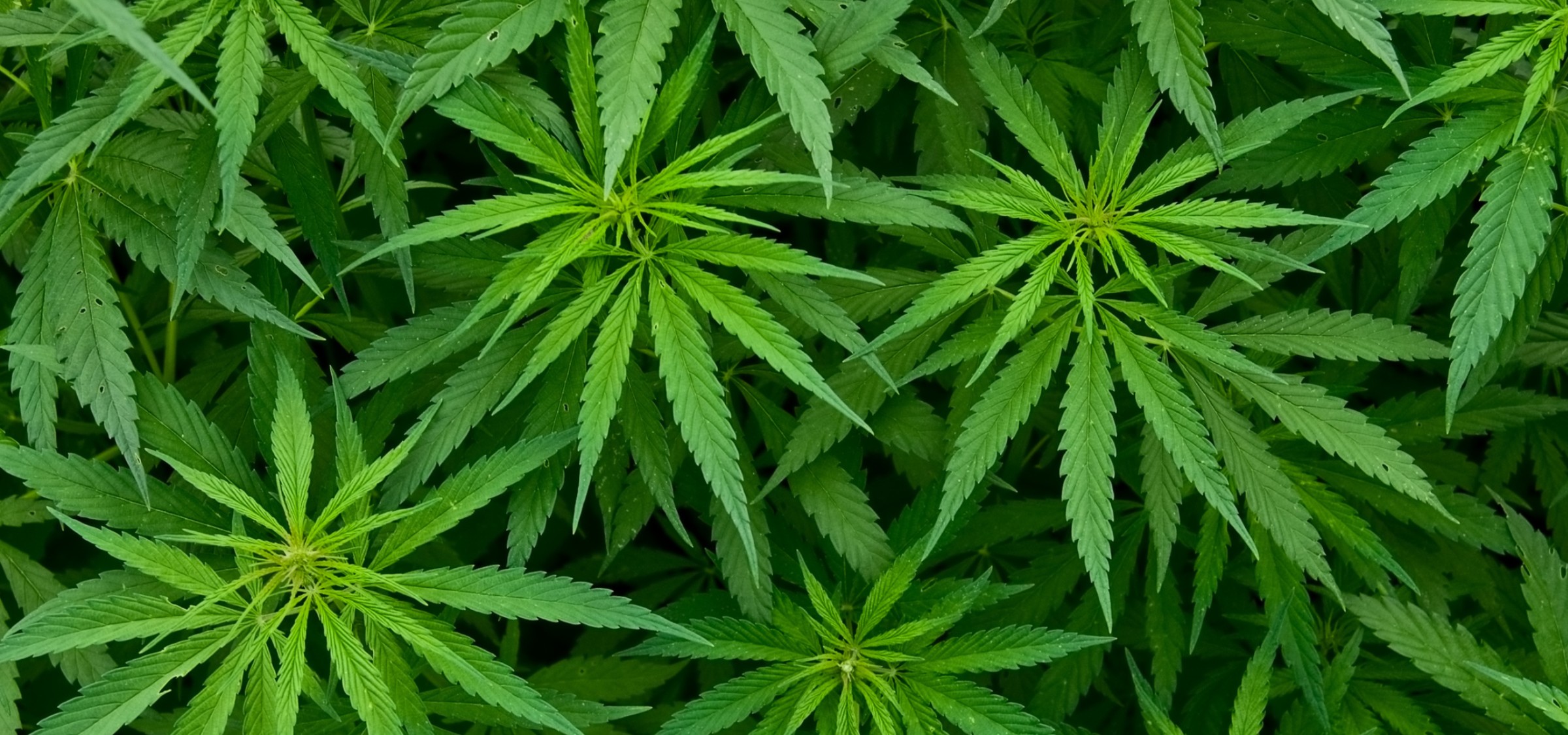
Cannabinoids are naturally occurring compounds found in the cannabis plant. They interact with the body’s endocannabinoid system (ECS), a regulatory network involved in balance, mood, sleep, appetite, and overall homeostasis.
While THC and CBD are the most familiar cannabinoids, researchers have identified over 100 different cannabinoids, many of which are now being explored for their unique properties.
Why Look Beyond CBD?
CBD is often described as a foundational cannabinoid, broad, balancing, and versatile. However, as formulations become more refined, many people are looking for more targeted support, such as:
-
Daytime clarity and focus
-
Night-time sleep support
-
Energy balance without stimulation
This is where minor cannabinoids like CBG, CBN, and THCV come in.
What Is CBG (Cannabigerol)?
CBG, or cannabigerol, is often referred to as the “mother cannabinoid.” This is because many other cannabinoids begin as CBGA before converting into CBD, THC, or CBN as the plant matures.
Why people are interested in CBG
CBG is commonly explored by people looking to support:
-
Mental clarity and focus
-
Daytime balance
-
A clear-headed wellness experience
Unlike THC, CBG is non-intoxicating and is typically used in daytime formulas or combined with CBD for a more structured effect.
CBG vs CBD: What’s the Difference?
| Feature | CBD | CBG |
|---|---|---|
| Intoxication | No | No |
| Typical timing | Day or night | Mostly daytime |
| Common use | General-wellness positioning | Focus & clarity |
| Often combined? | Yes | Yes |
CBD offers broad support, while CBG is often chosen when people want a more alert, daytime-friendly profile.
What Is CBN (Cannabinol)?
CBN forms naturally as THC ages and oxidises. While it is present in smaller amounts, it has become popular in night-time wellness products.
Why people explore CBN
CBN is commonly associated with:
-
Evening routines
-
Wind-down rituals
-
Sleep-focused formulations
CBN is non-intoxicating and is often paired with CBD to create night-specific blends designed for night-time routines.
CBD vs CBN: How They’re Used Together
Rather than competing, CBD and CBN are frequently combined.
-
CBD supports relaxation and balance
-
CBN is often included for night-time structure
This pairing is increasingly popular in oils, capsules, and tinctures designed for sleep routines.
What Is THCV (Tetrahydrocannabivarin)?
THCV is a less common cannabinoid that differs structurally from THC. Despite the similar name, THCV behaves very differently.
What makes THCV interesting
THCV is being explored for its:
-
Clear, non-sedating profile
-
Potential role in energy and motivation
-
Distinct interaction with appetite signals
At wellness-level amounts, THCV is non-intoxicating and is typically found in specialised formulations, not everyday CBD products.
Is THCV Psychoactive?
At very high levels, THCV may have psychoactive effects, but wellness products available in the EU are formulated to remain non-intoxicating and compliant.
As with all cannabinoids, dose and formulation matter, which is why reputable brands use THCV carefully and transparently.
Comparing CBD, CBG, CBN & THCV
| Cannabinoid | Intoxicating? | Common Timing | Typical Use |
|---|---|---|---|
| CBD | No | Day or night | Balance & calm |
| CBG | No | Daytime | Focus & clarity |
| CBN | No | Evening | Sleep routines |
| THCV | No (at low levels) | Daytime | Energy & control |
Each cannabinoid offers a different profile, which is why modern products often blend multiple cannabinoids together.
Regulatory Considerations in Malta
CBD, CBG, CBN and THCV should not be treated as one regulatory category. Status depends on the specific substance, source, concentration, finished product, intended use and claims.
Check the current rules for the specific product format and cannabinoid rather than relying on a generic hemp or THC threshold.
Choosing Products with Emerging Cannabinoids
When exploring products beyond CBD, look for:
-
Clear cannabinoid breakdowns
-
Third-party lab reports
-
Transparent sourcing
-
No exaggerated or medical claims
Emerging cannabinoids are best approached with education and intention, not hype.

Frequently Asked Questions (FAQs)
Are CBG, CBN, and THCV stronger than CBD?
Not stronger, just different. Each cannabinoid has its own profile.
Can cannabinoids be combined?
Yes, many modern formulas combine cannabinoids for targeted routines.
Will these cannabinoids make me high?
No, when used in compliant, non-intoxicating formulations.
Are these cannabinoids new?
They’ve always existed in the plant, but research and awareness are newer.
Should beginners try minor cannabinoids?
Many people start with CBD, then explore others as their needs evolve.
Final Thoughts: The Future of Cannabinoid Wellness
CBD opened the door, but the future of cannabis wellness is nuanced, targeted, and personalised. Cannabinoids like CBG, CBN, and THCV allow people to fine-tune their routines based on time of day, lifestyle, and wellness goals.
At Cannabis Clinics Malta, we believe education should evolve alongside the science. By staying informed and compliant, consumers can make confident, forward-thinking choices in a rapidly expanding wellness space.
Up next in February:
👉 Functional Mushrooms 101: Lion’s Mane, Reishi & Cannabis Wellness


